The Ultimate Dota 2 Beginner’s Guide: Your Path from Rookie to Competitor
Introduction: Welcome to the World of Dota 2
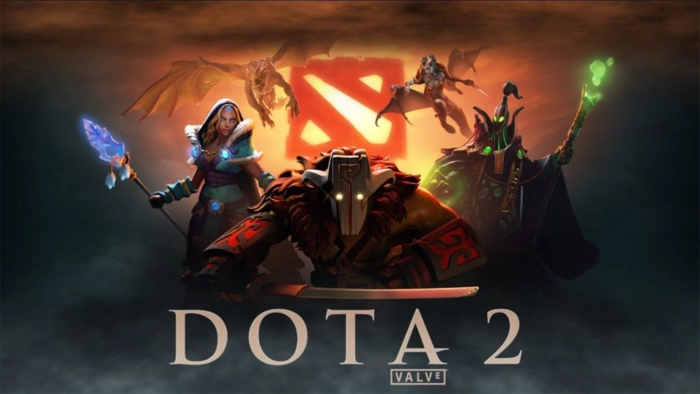
Dota 2 is more than just a video game; it’s a complex, strategic battlefield that has captivated millions of players worldwide and stands at the forefront of the esports revolution. Developed by Valve Corporation, this multiplayer online battle arena (MOBA) game is renowned for its deep mechanics, vast roster of unique heroes, and incredibly high skill ceiling. For beginners, stepping into the world of Dota 2 can feel overwhelming—like learning chess, a new language, and a team sport simultaneously. But with the right guidance, what seems intimidating transforms into one of the most rewarding gaming experiences available.
This comprehensive 2500-word guide is designed to demystify Dota 2 for new players. We’ll break down the core concepts, provide actionable strategies for your first matches, and equip you with the knowledge to progress from a confused newcomer to a confident competitor. Whether you’re coming from another MOBA like League of Legends or are entirely new to the genre, this guide will lay the foundation for your Dota 2 journey.
Chapter 1: Understanding the Dota 2 Universe
What is Dota 2?
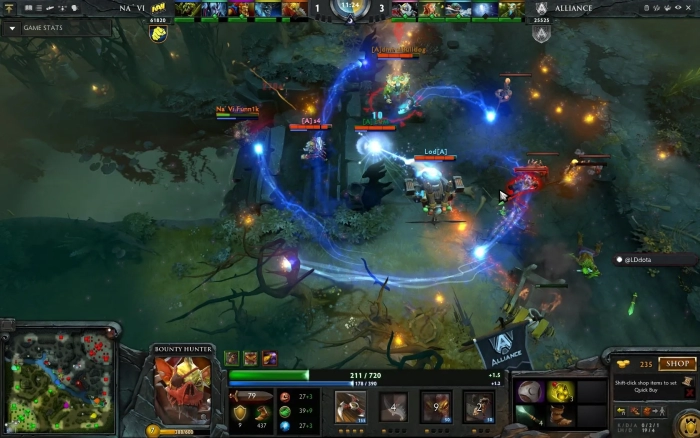
Dota 2 is a team-based strategy game where two teams of five players compete to destroy the opposing team’s “Ancient,” a large structure located within their base. Each player controls a single “Hero,” a powerful unit with unique abilities. The game blends real-time strategy, role-playing game (RPG) elements, and intense team fighting into matches that typically last between 30 to 45 minutes.
Key Philosophical Differences from Other MOBAs
If you have experience with games like League of Legends, you’ll notice key differences:
-
Denying: You can kill your own creeps (AI-controlled units) to deny experience and gold from the enemy.
-
Turn Rates: Heroes have a delay when changing direction, impacting positioning and kiting.
-
High Impact Abilities: Spells and abilities are generally more powerful, with longer cooldowns and higher mana costs.
-
Active Items: Most purchased items have active abilities, adding another layer of skill.
-
Terrain: The map features uneven terrain, trees you can destroy or hide in, and high-ground advantages.
Embracing these nuances is the first step to thinking like a Dota player.
Chapter 2: The Dota 2 Map – Your Strategic Playground
The Dota 2 map, often called the “terrain of conflict,” is symmetrical and divided into three main lanes and a connecting jungle. Understanding its layout is non-negotiable.
The Three Lanes
-
Safe Lane (Easy Lane): For the Radiant, this is the bottom lane. For the Dire, it’s the top lane. This is where your team’s “carry” hero typically starts, as it’s safer due to the positioning of jungle camps and the tower.
-
Mid Lane: The central, shortest lane. It’s a 1v1 duel where levels are gained quickly. This lane is for heroes who need early levels and can control the pace of the game.
-
Off Lane (Hard Lane): For the Radiant, this is the top lane. For the Dire, it’s the bottom lane. This is the most dangerous lane for the solo or duo heroes who play here, as they are closer to the enemy’s jungle.
Key Map Features
-
The River: Divides the map diagonally. Controlling the river runes (power-ups that spawn every two minutes) is crucial.
-
The Jungle: The area between lanes filled with neutral creeps. Farming these camps is essential for gold and experience.
-
Roshan Pit: Located in the north river. Killing Roshan, a powerful neutral boss, grants your team the “Aegis of the Immortal” (a one-time self-resurrection) and later, other powerful rewards.
-
Shops: The Main Shop is in your base, Side Shops are at the edges of the side lanes (in the first map iteration, though their importance has shifted), and Secret Shops are located in the jungle.
Chapter 3: The Heart of the Game – Heroes and Roles
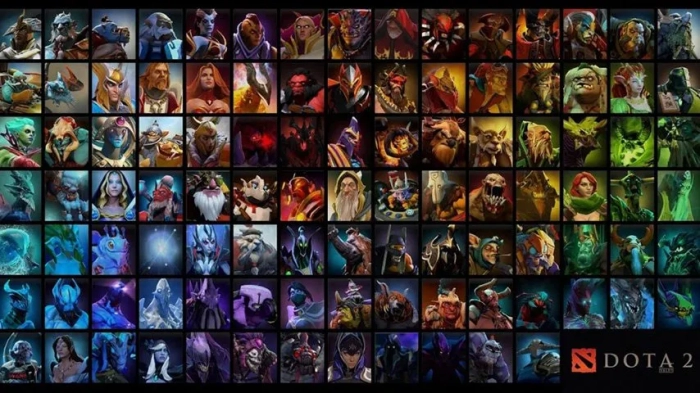
With over 120 heroes, choosing where to start is daunting. Heroes are categorized by their primary attributes (Strength, Agility, Intelligence) and their typical role in a team.
The Core Positions (1-5)
Dota uses a numbered position system that refers to farm priority, not lane assignment.
-
Position 1 (Carry/Hard Carry): The hero who needs the most gold and items to become powerful in the late game. They start in the Safe Lane. Beginner Recommendation: Wraith King (simple abilities, a second life with his ultimate).
-
Position 2 (Midlaner): Often a spell-caster or tempo-controller who wins the mid lane and creates opportunities around the map. Beginner Recommendation: Dragon Knight (tanky, has a stun, easy to lane with).
-
Position 3 (Offlaner): Typically a durable initiator or disabler who can function with less gold, aims to disrupt the enemy carry’s farm. Beginner Recommendation: Axe or Bristleback (both are very tanky and straightforward).
-
Position 4 & 5 (Supports): The backbone of the team. Position 4 is often a “soft support” or “roamer” who can help multiple lanes. Position 5 is the “hard support,” buying most of the team’s utility items (wards, courier) and protecting the carry.
-
Beginner Recommendation for Support: Lich (great lane harasser, simple spells, game-changing ultimate) or Ogre Magi (incredibly tanky for a support, spells are simple but impactful).
-
Starting with a Limited Hero Pool
The in-game “New Player Mode” restricts you to a list of 20 beginner-friendly heroes. Stick to this mode for your first 20-30 games. It’s the best way to learn without being overwhelmed by heroes you don’t understand.
Chapter 4: Mastering the Fundamentals – Last Hitting, Denying, and Farming
Gold and experience are the resources that win games. Earning them efficiently is your primary goal in the early phase (laning stage).
Last Hitting
This is the act of delivering the killing blow to a creep to earn gold. It’s a fundamental mechanical skill.
-
Practice Tool: Use the “Last Hit Trainer” in the “Learn” tab. Aim for 50 last hits by the 10-minute mark in a free practice lane against no opponent.
Denying
You can deny your own creeps (when they are below 50% health) and allied buildings. A successful deny:
* Gives the enemy only 25% of the experience they would have gotten.
* Prevents them from getting any gold.
-
Denying is as important as last-hitting in Dota. It’s a core skill that defines the laning stage.
Farming Patterns
As the game progresses, efficient heroes move from lane to jungle, clearing waves and neutral camps in a “pattern” to maximize their gold per minute (GPM). As a beginner, focus on last-hitting in lane first. Farming patterns come later.
Chapter 5: The Item System – Your Strategic Toolkit
Items in Dota 2 provide stats, unique passives, and powerful active abilities. Knowing what to buy and when is a huge part of the game’s strategy.
Starting Items
Don’t start with a fancy recipe! Buy stats and regen.
-
For Cores: Tangoes, Healing Salve, Quelling Blade, Iron Branches, and perhaps a Magic Stick against spammy opponents.
-
For Supports: More Tangoes, a salve, Iron Branches, and obsessive about buying Observer Wards and a courier if you are Pos 5.
Core Item Concepts
-
Boots: Every hero needs boots. Power Treads (stat-switching) are great for agility/strength cores, Arcane Boots (mana) are common on supports/intelligence heroes, Phase Boots (movement and damage) are good on carries who need to chase.
-
Stat Items: Wraith Band, Bracer, Null Talisman. Cheap, efficient items that help you win the early lane.
-
Game-Changing Actives:
-
Black King Bar (BKB): The most important item in many games. Grants spell immunity for a short duration. Essential against teams with lots of disables.
-
Blink Dagger: Allows you to instantly teleport a short distance. The quintessential initiation tool for heroes like Axe or Enigma.
-
How to Learn Items: Use the In-Game Guide
When you select a hero, click the green “Guide” button at the top left of the shop. Choose “Torte de Lini’s” guides (they are community-standard and kept updated). These guides provide a logical, skill- and item-build path for your hero. Follow them religiously as a beginner.
Chapter 6: The Flow of a Match – Phases of Play
A Dota 2 match isn’t a constant brawl. It progresses through distinct phases.
1. The Drafting Phase (All Pick)
Before the game starts, teams pick heroes. As a beginner, just focus on picking a hero you want to learn from the limited pool. Counter-picking comes much later.
2. The Laning Stage (0-10 minutes)
Your objective is to farm, win your lane by out-last-hitting/denying your opponent, and get your core early items (like Boots and your first stat item). Supports should harass the enemy, pull neutral camps to control lane equilibrium, and secure runes.
3. The Mid Game (10-25 minutes)
Lanes break down as heroes gain levels and basic items. Objectives become key. Teams group up to:
-
Take Towers: Destroying towers gives your team gold and map control.
-
Secure Roshan: A major mid-game objective.
-
Fight for Map Control: Placing wards in the enemy jungle to hunt them, or defensively to protect your own farm.
4. The Late Game (25+ minutes)
One teamfight win can end the game. Heroes are at or near maximum power (level 25, with 5-6 major items). Death timers are very long (over 60 seconds). Positioning, vision, and picking the right fight are everything. Do not wander alone! Stick with your team.
Chapter 7: Essential Concepts and Terminology
-
Creeps/Avoiding Creep Aggro: AI-controlled units that spawn every 30 seconds. You can “draw aggro” by right-clicking an enemy hero, causing enemy creeps to attack you. Use this to pull creeps toward you for safer last hits.
-
Vision and Warding: The “fog of war” hides areas you can’t see. Observer Wards provide vision. Sentry Wards and Dust of Appearance reveal invisible units. Buying wards is not just the support’s job if they need help.
-
Stacking and Pulling: A support technique. “Stacking” a neutral camp means attacking it at a specific time (:53-:55 seconds) to draw creeps out, creating a second set. “Pulling” means luring these neutral creeps into your lane creep wave to reset the lane’s position.
-
Smoke of Deceit: Makes your team invisible to wards and creeps until you get too close to an enemy hero or tower. Used for ganks and sneaking into enemy territory.
Chapter 8: Your First 10 Games – A Practical Action Plan
-
Play the Tutorial: Complete all of Valve’s in-game tutorials. They are surprisingly good.
-
Enable New Player Mode: In the settings, ensure this is on for your first games.
-
Pick One Role, Two Heroes: Start as a Pos 5 support (Lich, Ogre Magi) or a Pos 1 carry (Wraith King, Sniper). Master 1-2 heroes before expanding.
-
Mute Toxic Players: Dota has a communication problem. At the first sign of toxicity, mute the player instantly via the scoreboard. Protect your mental game.
-
Focus on One Thing: In your first game, focus only on last-hitting. Next game, focus on watching the minimap every 10 seconds. Break the game into learnable chunks.
-
Watch Your Replays: Look at your deaths. Ask yourself: “Why did I die? Was I out of position? Did I not have vision?” This is the fastest way to improve.
Chapter 9: Recommended Learning Resources
-
In-Game: The “Learn” tab, Last Hit Trainer, and Bot Matches (use Unfair difficulty for a decent challenge).
-
YouTube Channels:
-
GameLeap Dota 2 Pro Guides: Excellent for concise, topical guides.
-
BSJ (BananaSlamJamma): The best educational content for carries and core concepts.
-
PurgeGamers: Famous for his “Welcome to Dota, You Suck” guide and replay analysis.
-
-
Dota 2 Wiki: The definitive source for detailed mechanics, numbers, and interactions.
Conclusion: The Journey Begins
Dota 2 is a deep, complex, and endlessly fascinating game. The learning curve is steep, but every game teaches you something new. The feeling of landing a perfect spell combo, executing a coordinated teamfight, or finally destroying the enemy Ancient after a hard-fought 50-minute battle is unparalleled in gaming.
Your goal as a beginner is not to win every game, but to learn something from every game. Embrace the losses as lessons. Celebrate the small victories: hitting a new last-hit record, landing a crucial stun, or placing a ward that spots the enemy Roshan attempt.
The Dota 2 community is vast, and for every toxic player, there are many more who are passionate and willing to help. Find friends to play with, ask questions, and remember that every single pro player was once a beginner who didn’t know how to buy items.
Now, load into the client, pick your hero, and take your first step onto the battlefield. Welcome to Dota 2. Good luck, have fun, and may your Ancient stand strong.
About the Author