The Best Support Heroes in Dota 2: Ultimate Selection Guide (2026)
Introduction: The Importance of the Support Role in Dota 2
In the tense and strategic world of Dota 2, the support role is often overlooked, but the truth is that without a strong support, winning a game is nearly impossible. Supports are the backbone of the team; they are responsible for numerous tasks including providing map vision (warding), protecting the carry in the early stages, controlling enemies in team fights, and sacrificing themselves for the survival of teammates. Choosing the best support hero can have a direct impact on the match result, especially if it aligns with the team’s playstyle and the current meta.
In this comprehensive article, we will introduce the best support heroes in Dota 2. This guide is based on patch 7.38 meta and insights from professional players. We’ll cover everything from traditional supports like Lion and Crystal Maiden to more modern options like Snapfire and Rubick. We will also discuss key tips for playing this role, itemization, and winning strategies.
Support Categorization
Before introducing the heroes, it’s better to understand the general categorization of supports. This will help you make the best choice based on your team’s needs:
-
Aggressive Supports: These heroes help the team secure kills using their offensive capabilities (like stuns, nukes, and damaging spells). Examples: Lion, Shadow Shaman.
-
Defensive Supports: The primary duty of this group is to protect teammates, purge negative spells, and ensure team survival. Examples: Dazzle, Oracle.
-
Roaming Supports: These heroes have high mobility and can pressure other lanes and perform successful ganks by roaming the map. Examples: Earth Spirit, Tusk.
-
Healers: The main focus of this group is to restore health to teammates. Examples: Witch Doctor, Warlock.
-
Disablers: These heroes create kill opportunities by using spells like stuns, silences, and hexes to lock down enemies. Examples: Bane, Shadow Demon.
Furthermore, supports are divided into two main positions: Position 4 (Offlane Support or Soft Support) , who typically receives more resources and is responsible for ganking and creating space, and Position 5 (Safe Lane Support or Hard Support) , whose primary duty is to protect the carry and provide vision.
Introducing the Best Dota 2 Supports
Here, we introduce 12 of the best support heroes in the current meta. This list includes a mix of supports popular at all skill levels (from beginner to professional).
1. Rubick, the Master Thief
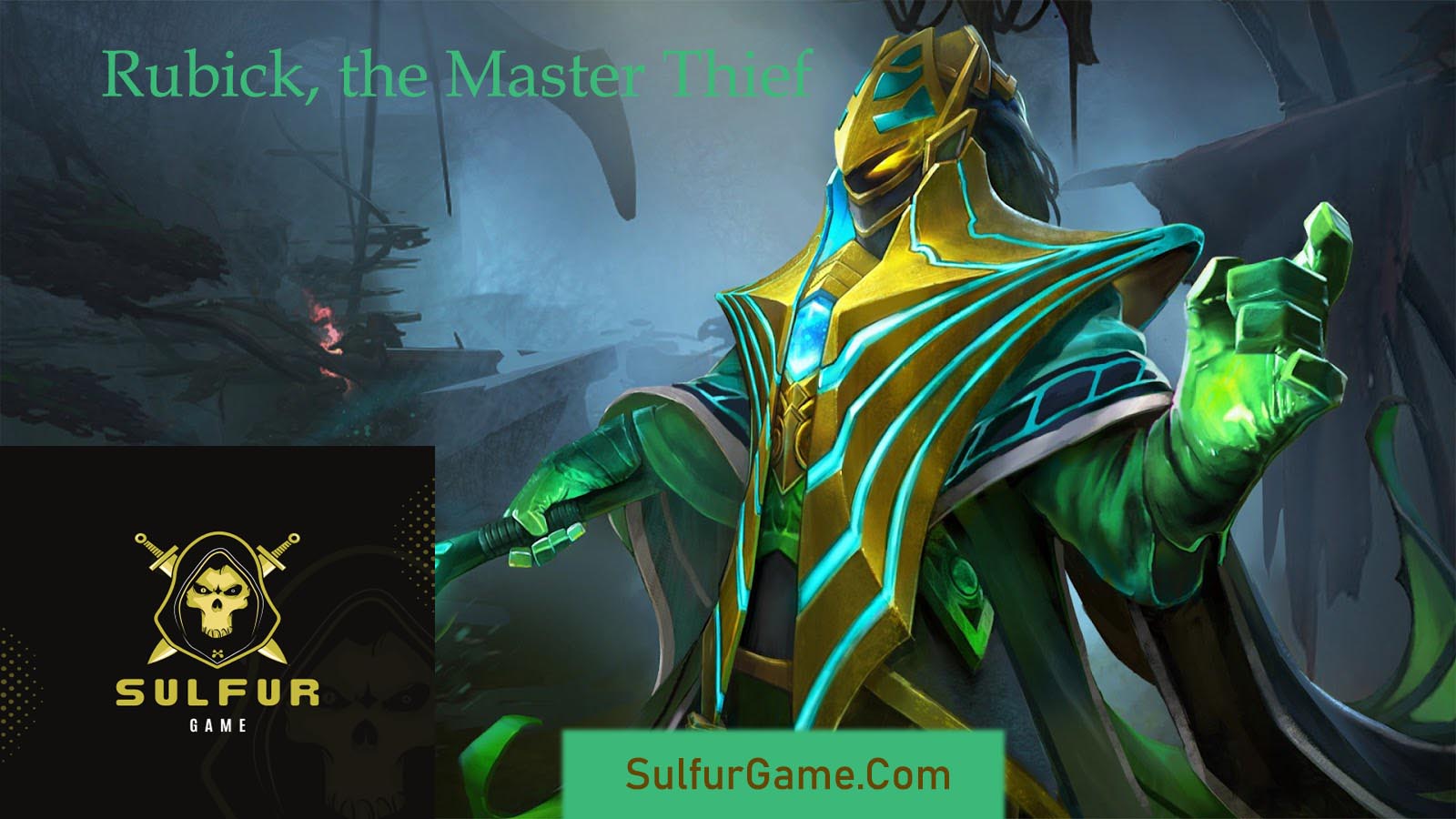
Rubick is one of the most iconic supports in Dota 2. With his unique ability to steal enemy spells, he can be the team’s trump card in team fights.
-
Abilities:
-
Telekinesis: Lifts an enemy into the air and slams them down (excellent stun).
-
Fade Bolt: Hurls a damaging bolt that bounces between targets, reducing their attack damage.
-
Spell Steal (Ultimate): Steals the last spell cast by an enemy hero, allowing Rubick to use it for several minutes.
-
-
Strengths: Ability to use enemy spells, good stun, decent laning presence.
-
Weaknesses: Low base damage, reliant on enemy spells, requires excellent positioning.
Role in Game Stages:
-
Early Game: Rubick can create pressure in lane with Fade Bolt and protect his carry or set up kills with Telekinesis.
-
Mid Game: As team fights begin, Rubick should stay on the outskirts, waiting to steal crucial enemy spells (like Black Hole or Ravage).
-
Late Game: In the later stages, stealing a critical spell can turn the tide of a team fight.
Suggested Items:
-
Starting: Tango, Clarity, Observer Ward, Sentry Ward, Iron Branch.
-
Core: Arcane Boots (or Tranquil Boots), Aether Lens, Blink Dagger.
-
Situational: Aghanim’s Scepter (upgrades Spell Steal), Ghost Scepter, Glimmer Cape.
Good Teammates: Heroes with powerful ultimate spells like Enigma, Tidehunter, Magnus.
Tough Enemies: Heroes with weak or no ultimate spells, or those who can quickly kill Rubick, like Nyx Assassin.
2. Lion, the Lord of Stuns
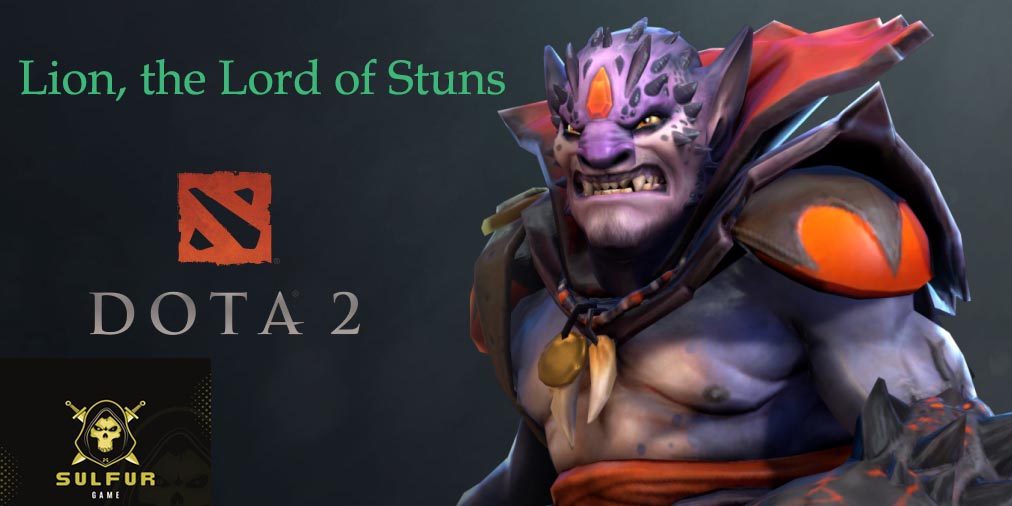
Lion is an aggressive support with a high capacity for locking down enemies. With two stuns, a mana drain ability, and a powerful ultimate (Finger of Death), he is one of the most feared supports.
-
Abilities:
-
Earth Spike: A line-targeted stun that throws enemies into the air.
-
Hex: Transforms an enemy into a harmless animal (hex), silencing them.
-
Mana Drain: Channels to drain mana from an enemy unit.
-
Finger of Death (Ultimate): Deals massive single-target damage, gaining power with each kill.
-
-
Strengths: Two reliable stuns, ability to drain mana, high-damage ultimate for bursting down enemy carries.
-
Weaknesses: Very fragile, no escape mechanism, reliant on levels to be effective.
Role in Game Stages:
-
Early Game: Lion can lock down enemies in lane with Earth Spike and Hex, giving his carry kill opportunities. He can also harass mana-dependent heroes with Mana Drain.
-
Mid Game: With his ultimate, he becomes a threat to any enemy hero. In team fights, he should focus on the enemy carry or high-damage hero.
-
Late Game: His ultimate, stacked with kills, can take down even the toughest heroes.
Suggested Items:
-
Starting: Tango, Clarity, Observer Ward, Sentry Ward, Iron Branch.
-
Core: Tranquil Boots, Blink Dagger (essential), Aether Lens.
-
Situational: Aghanim’s Scepter (increases range and reduces Finger of Death cooldown), Glimmer Cape, Eul’s Scepter.
Good Teammates: Heroes with high physical damage who benefit from Lion’s stuns, like Juggernaut or Ursa.
Tough Enemies: Heroes with long stuns or dispel abilities, like Abaddon or Oracle.
3. Shadow Shaman, the Master of Tower Destruction
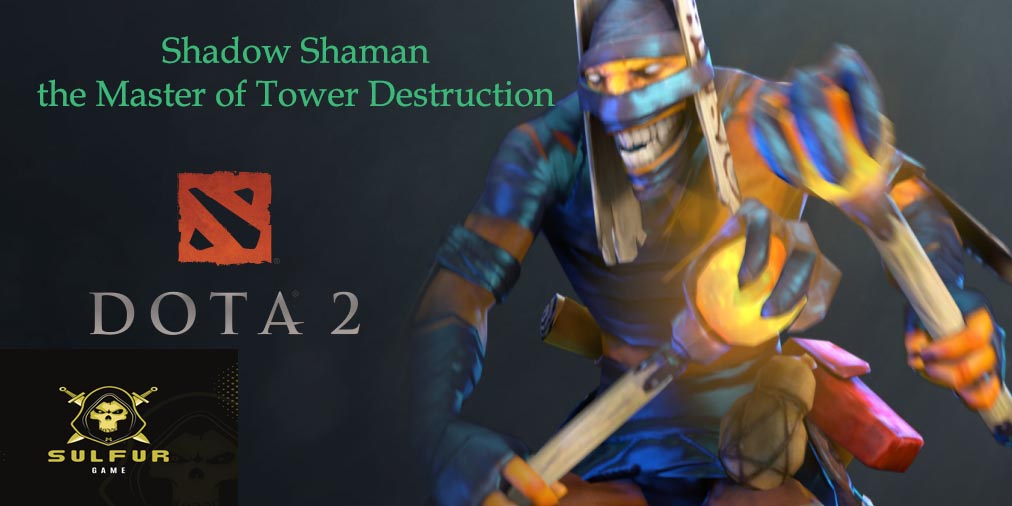
Shadow Shaman (or Rhasta) is one of the best supports for destroying towers and controlling enemies. With his Hex, shackle stun, and tower-destroying ultimate (Mass Serpent Ward), he creates a deadly combination for the enemy team.
-
Abilities:
-
Ether Shock: Deals area damage with a bolt of lightning.
-
Hex: Transforms an enemy into a critter.
-
Shackles: A channeled stun that locks an enemy in place.
-
Mass Serpent Ward (Ultimate): Summons multiple serpent wards that attack enemies and destroy towers quickly.
-
-
Strengths: Unparalleled control (Hex + Shackles), high tower destruction capability with ultimate, decent area damage.
-
Weaknesses: Very fragile, Shackles can be interrupted, mana-hungry in early stages.
Role in Game Stages:
-
Early Game: He can harass in lane with Ether Shock and set up effective ganks with Hex and Shackles.
-
Mid Game: Shadow Shaman is one of the best heroes for taking early towers. His ultimate can rapidly destroy a tower.
-
Late Game: His ultimate is useful in team fights (as a zoning tool), and Hex/Shackles remain vital for locking down enemies.
Suggested Items:
-
Starting: Tango, Clarity, Observer Ward, Sentry Ward, Gauntlet of Strength (for HP).
-
Core: Arcane Boots, Blink Dagger, Aghanim’s Scepter (increases ward count).
-
Situational: Refresher Orb (for double ultimate), Glimmer Cape, Ghost Scepter.
Good Teammates: Heroes who can keep enemies inside his stuns (like Pudge with Hook) or protect his wards.
Tough Enemies: Heroes with dispel abilities (e.g., Slark with Dark Pact) or those who can interrupt Shackles.
4. Disruptor, the Master Strategist of Team Fights
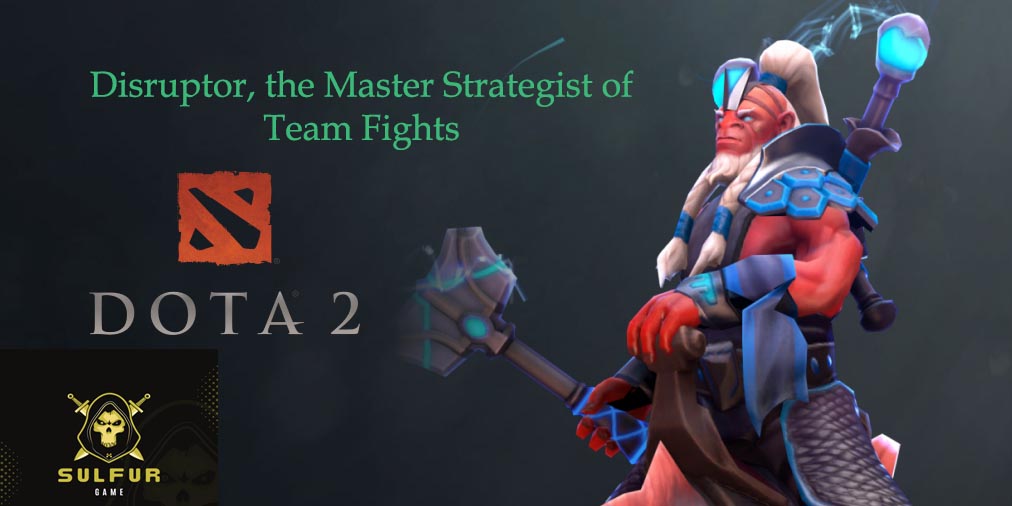
With his combination of area spells and his ability to return enemies, Disruptor is one of the best supports for controlling team fights. He can trap enemies in a kinetic field and silence them, preventing escapes.
-
Abilities:
-
Thunder Strike: Deals delayed single-target damage and provides vision.
-
Glimpse: Returns a target enemy to the position they were in 4 seconds ago (very useful for preventing escapes).
-
Kinetic Field: Creates a circular barrier that traps enemies inside.
-
Static Storm (Ultimate): Creates a silencing storm that damages enemies inside and stuns them after it ends.
-
-
Strengths: Excellent area control, ability to return enemies (Glimpse), fantastic synergy with other area spells.
-
Weaknesses: Low early-game damage, reliant on combos with other heroes, requires precise positioning.
Role in Game Stages:
-
Early Game: Thunder Strike is good for harassing and providing vision. Glimpse can cancel an enemy’s escape or return them to tower range.
-
Mid Game: In team fights, the combination of Kinetic Field + Static Storm creates a deadly zone.
-
Late Game: Glimpse is crucial for catching out-of-position enemies and returning them to your team.
Suggested Items:
-
Starting: Tango, Clarity, Observer Ward, Sentry Ward, Iron Branch.
-
Core: Arcane Boots, Aether Lens, Glimmer Cape.
-
Situational: Aghanim’s Scepter (empowers Static Storm), Refresher Orb, Force Staff.
Good Teammates: Heroes with area spells like Jakiro, Earthshaker, Enigma.
Tough Enemies: Heroes with abilities to escape the field (like Puck, Anti-Mage) or those who can dispel his spells.
5. Witch Doctor, the Dancing Doctor
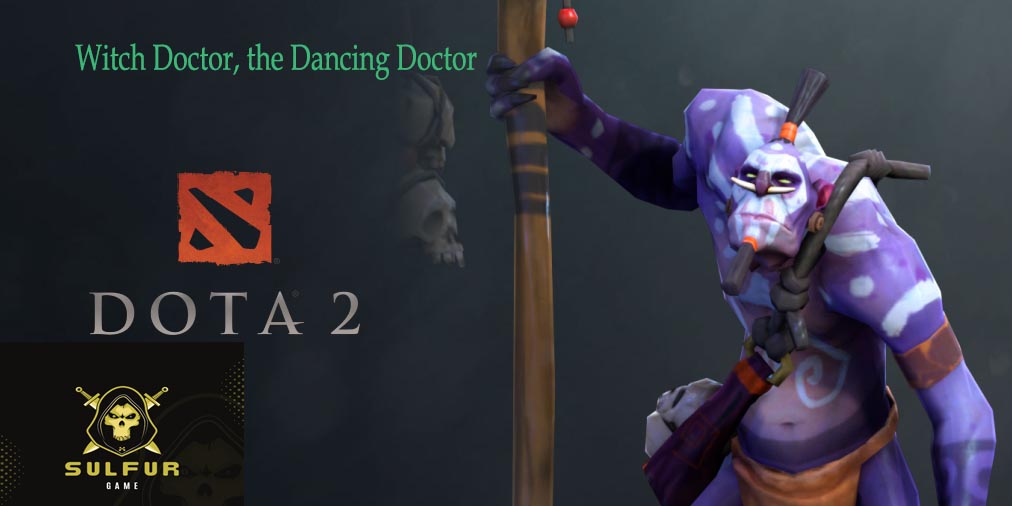
Witch Doctor is a hybrid support (healer/damage dealer) whose famous ultimate (Death Ward) can single-handedly dismantle the enemy team, provided he’s in a safe position.
-
Abilities:
-
Paralyzing Cask: Tosses a cask that bounces between enemies, stunning them.
-
Voodoo Restoration: Toggles a healing aura (mana cost per second).
-
Maledict: Curses an area, causing enemies to take damage over time and take bonus damage based on damage received.
-
Death Ward (Ultimate): Summons a deadly ward that attacks enemies, dealing massive physical damage.
-
-
Strengths: Combination of heal and damage, good control with Cask, ultimate with massive damage potential.
-
Weaknesses: Very fragile, requires excellent positioning for ultimate, vulnerable to interrupts.
Role in Game Stages:
-
Early Game: He can harass with Cask and care for his carry with Voodoo Restoration. Maledict combined with other damage can secure kills.
-
Mid Game: In team fights, Witch Doctor must position himself safely (behind trees or with BKB) to use his ultimate. The Maledict + Death Ward combo is deadly.
-
Late Game: With items like Aghanim’s Scepter, Death Ward attacks two targets simultaneously, dealing more damage.
Suggested Items:
-
Starting: Tango, Clarity, Observer Ward, Sentry Ward, Iron Branch.
-
Core: Arcane Boots (or Tranquil), Aether Lens, Glimmer Cape.
-
Situational: Aghanim’s Scepter, Black King Bar (BKB) (for safe ultimate usage), Shard (allows moving while channeling).
Good Teammates: Heroes who can group enemies together (like Enigma, Dark Seer) so Death Ward maximizes damage.
Tough Enemies: Heroes with long stuns (like Lion, Shadow Shaman) who can interrupt his channeling.
6. Crystal Maiden, the Mana Queen
Crystal Maiden (or Rylai) is one of the most popular supports for both beginner and professional teams. The reason for this popularity is her unique ability to increase mana for all teammates, allowing everyone to use their spells more frequently.
-
Abilities:
-
Crystal Nova: An icy explosion in an area that damages and slows enemies.
-
Frostbite: Locks a single enemy in ice (deals more damage to non-hero units).
-
Arcane Aura: Grants increased mana and mana regeneration to all allies across the entire map.
-
Freezing Field (Ultimate): Creates an icy storm around her that deals massive damage and slows enemies.
-
-
Strengths: Global mana bonus for the team, good control with Frostbite and Crystal Nova, ultimate with massive team fight damage.
-
Weaknesses: Extremely fragile and slow, low health, requires positioning for ultimate.
Role in Game Stages:
-
Early Game: Arcane Aura allows the team to use more spells. Frostbite for locking down enemies, Crystal Nova for slow and damage.
-
Mid Game: Crystal Maiden can use items like Blink Dagger to jump into team fights and activate her ultimate.
-
Late Game: Her ultimate in large team fights can wipe out the enemy team but requires protection.
Suggested Items:
-
Starting: Tango, Clarity, Observer Ward, Sentry Ward, Iron Branch.
-
Core: Tranquil Boots, Glimmer Cape, Blink Dagger.
-
Situational: Aghanim’s Scepter (makes ultimate movable), BKB, Force Staff.
Good Teammates: Any hero reliant on mana (almost everyone). Especially heroes with high mana cost spells like Zeus, Skywrath Mage.
Tough Enemies: Heroes who can quickly kill her (like Riki, Clinkz) or strong initiators with stuns.
7. Ancient Apparition, the Global Frost
Ancient Apparition (AA) is a unique support whose ultimate completely prevents healing in an area. This ability makes him one of the best counters to heal-reliant heroes.
-
Abilities:
-
Cold Feet: Applies a debuff to an enemy; if they leave the area of effect, they are stunned.
-
Ice Vortex: Creates a icy vortex that reduces enemy magic resistance and provides vision.
-
Chilling Touch: Empowers allied attacks with bonus cold damage and slow.
-
Ice Blast (Ultimate): Fires a ball of ice across the map. Upon impact, it damages and applies a debuff that prevents all healing in the area.
-
-
Strengths: Prevents healing with ultimate, reduces magic resistance with Ice Vortex, global presence.
-
Weaknesses: Spells have delays (require prediction), fragile, lacks instant damage.
Role in Game Stages:
-
Early Game: Provides vision and reduces magic resistance with Ice Vortex. Cold Feet can lock down enemies when combined with other stuns.
-
Mid Game: AA’s ultimate can assist in team fights from afar and disrupt enemy healing. Combine with other damage spells.
-
Late Game: In team fights, proper use of Ice Blast on heal-dependent heroes (e.g., Alchemist, Necrophos) is critical.
Suggested Items:
-
Starting: Tango, Clarity, Observer Ward, Sentry Ward, Iron Branch.
-
Core: Arcane Boots, Aether Lens, Glimmer Cape.
-
Situational: Aghanim’s Scepter (reduces Ice Blast cooldown), Force Staff, Urn of Shadows.
Good Teammates: Heroes with area damage and stuns who can keep enemies in Cold Feet.
Tough Enemies: High heal/regen heroes like Dazzle, Oracle, Necrophos.
8. Bane, the Enemy’s Nightmare
Bane is a support with mind-controlling abilities. He can take a single enemy out of commission for a long time and make them vulnerable.
-
Abilities:
-
Enfeeble: Reduces an enemy hero’s physical attack damage.
-
Brain Sap: Deals damage to an enemy and heals Bane for the same amount.
-
Nightmare: Puts a target enemy (or ally) to sleep. They are invulnerable but waking them up causes damage.
-
Fiend’s Grip (Ultimate): Channels, locking down an enemy and draining their health.
-
-
Strengths: Unmatched single-target control (Fiend’s Grip and Nightmare), self-heal with Brain Sap, reduces enemy damage.
-
Weaknesses: No area damage, ultimate is channeled and can be interrupted, requires positioning.
Role in Game Stages:
-
Early Game: Nightmare can immobilize an enemy in lane or protect his carry from ganks. Brain Sap is good for trading health.
-
Mid Game: In team fights, Fiend’s Grip is used on the enemy carry or key hero. Nightmare can be used to temporarily disable another enemy.
-
Late Game: With items like BKB or Aghanim’s Scepter (increased range and multi-target), Bane becomes a major threat.
Suggested Items:
-
Starting: Tango, Clarity, Observer Ward, Sentry Ward, Iron Branch.
-
Core: Tranquil Boots, Aether Lens, Glimmer Cape.
-
Situational: Aghanim’s Scepter, BKB, Force Staff.
Good Teammates: Heroes who can protect Bane during his channel (like Omniknight) or benefit from long control.
Tough Enemies: Heroes with abilities to interrupt channeling (like Lion, Shadow Shaman) or those who can turn Nightmare against his team.
9. Dazzle, the Team’s Savior
Dazzle is a defensive support who, with his unique abilities, can save teammates from the brink of death and increase their armor.
-
Abilities:
-
Poison Touch: Deals damage over time and slows, becoming stronger with each cast on the same target.
-
Shallow Grave: Prevents a targeted allied hero from dying for a few seconds (they cannot drop below 1 HP).
-
Shadow Wave: Heals allies based on the number of units (enemy or ally) near them.
-
Weave (Ultimate): Gradually changes armor in an area (reduces enemy armor, increases ally armor).
-
-
Strengths: Excellent saver with Shallow Grave, reduces enemy armor with Weave, provides group heal.
-
Weaknesses: Lacks a hard stun, low damage, reliant on others for kills.
Role in Game Stages:
-
Early Game: Harass with Poison Touch. Use Shallow Grave to save the carry from certain death.
-
Mid Game: Place Weave in the team fight area to reduce enemy armor. Save Shallow Grave for critical moments.
-
Late Game: With items like Aghanim’s Scepter, Shallow Grave can target two allies, and Weave becomes more impactful.
Suggested Items:
-
Starting: Tango, Clarity, Observer Ward, Sentry Ward, Gauntlet of Strength.
-
Core: Arcane Boots, Mekansm (upgrade to Guardian Greaves), Aghanim’s Scepter.
-
Situational: Glimmer Cape, Force Staff, Solar Crest.
Good Teammates: Fragile heroes who need protection (like Spectre, Drow Ranger).
Tough Enemies: Heroes with high burst damage or abilities that bypass Shallow Grave (like Axe with Culling Blade).
10. Oracle, the Master of Complexity
Oracle is one of the most complex but also most powerful defensive supports. The combination of his spells can be both life-saving and deadly.
-
Abilities:
-
Fortune’s End: A channeled spell that, upon completion, roots the target and purges positive buffs from them.
-
Fate’s Edict: Makes an ally immune to magical damage but unable to attack, or silences an enemy while making them immune to physical damage.
-
Purifying Flames: Instantly heals a target but deals magical damage over time (or vice versa on an enemy).
-
False Promise (Ultimate): Places an ally in a “false promise” for a few seconds; all heals and damage are doubled, and then the net heal is applied at the end.
-
-
Strengths: Capable of both saving and killing, purges positive enemy buffs, deadly spell combos.
-
Weaknesses: Requires high reaction speed, complex to use effectively, high mana consumption.
Role in Game Stages:
-
Early Game: Heal the carry or harass enemies with Purifying Flames. Use Fate’s Edict to protect the carry from enemy magic damage.
-
Mid Game: False Promise is a powerful ultimate for saving a teammate near death. Combining it with heals can miraculously keep a hero alive.
-
Late Game: Oracle can turn team fights in his team’s favor by using his spells in coordinated sequence.
Suggested Items:
-
Starting: Tango, Clarity, Observer Ward, Sentry Ward, Iron Branch.
-
Core: Arcane Boots, Aether Lens, Glimmer Cape.
-
Situational: Aghanim’s Scepter (reduces False Promise cooldown), Lotus Orb, Force Staff.
Good Teammates: Heroes with high physical damage (since Fate’s Edict makes them magic immune) or heroes who benefit from heals.
Tough Enemies: Heroes dealing pure or heavy physical damage (like Spectre, Phantom Assassin), as Fate’s Edict is ineffective against them.
11. Earth Spirit, the Rolling Stone
Earth Spirit is a highly mobile and aggressive support who can reposition enemies and lock them down with his combination of spells. This hero requires high skill.
-
Abilities:
-
Boulder Smash: Kicks a stone (or unit) in a target direction, damaging and stunning enemies it passes through.
-
Rolling Boulder: Transforms into a boulder and rolls forward, gaining speed and damaging enemies.
-
Geomagnetic Grip: Pulls a stone towards Earth Spirit, silencing and damaging enemies near its landing point.
-
Magnetize (Ultimate): Magnetizes an area, damaging enemies over time and magnetizing nearby stones to them, refreshing the debuff.
-
-
Strengths: High mobility, multiple controls (stun, silence, push), excellent ganking capability.
-
Weaknesses: Requires high skill, reliant on stone remnants, vulnerable to dispels.
Role in Game Stages:
-
Early Game: Earth Spirit can pressure lanes by roaming. Roll in with Rolling Boulder and kick enemies back with Boulder Smash.
-
Mid Game: In team fights, apply Magnetize to multiple enemies and extend the damage with stones. Use Geomagnetic Grip for group silences.
-
Late Game: Earth Spirit can still be effective by repositioning key enemies, pulling them out of position.
Suggested Items:
-
Starting: Tango, Clarity, Observer Ward, Sentry Ward, Iron Branch.
-
Core: Arcane Boots, Spirit Vessel, Aghanim’s Scepter (enhances Magnetize).
-
Situational: Blink Dagger, Eul’s Scepter, Lotus Orb.
Good Teammates: Heroes who can follow up on his control (like Juggernaut, Ursa).
Tough Enemies: Heroes with dispels (like Slark, Abaddon) who can remove Magnetize.
12. Snapfire, the Fiery Grandma
Snapfire is a modern and powerful support offering a mix of damage, control, and mobility. With her cute appearance but deadly abilities, she is very popular in the current meta.
-
Abilities:
-
Scatterblast: Fires a shotgun blast that deals more damage and stuns at close range.
-
Firesnap Cookie: Launches a cookie that an ally (or herself) can eat to be launched forward (used for both escape and initiation).
-
Lil’ Shredder: Mounts a lizard who attacks rapidly, reducing enemy armor with each attack.
-
Mortimer Kisses (Ultimate): Fires several mortar strikes that deal heavy area damage.
-
-
Strengths: High early and mid-game damage, escape/initiation with Cookie, armor reduction with Shredder.
-
Weaknesses: Ultimate requires good positioning, becomes less impactful in the late game.
Role in Game Stages:
-
Early Game: Can create pressure in lane with Scatterblast and high base damage. Firesnap Cookie for saving the carry or positioning.
-
Mid Game: Lil’ Shredder is useful for reducing enemy armor in team fights. Mortimer Kisses deals damage from a long range.
-
Late Game: Snapfire can still contribute with Cookie and Shredder, but her ultimate might be negated by enemy BKBs.
Suggested Items:
-
Starting: Tango, Clarity, Observer Ward, Sentry Ward, Gauntlet of Strength.
-
Core: Arcane Boots, Blink Dagger, Aghanim’s Scepter (increases Mortimer Kisses range and count).
-
Situational: Shiva’s Guard, Assault Cuirass, Force Staff.
Good Teammates: Heroes who can group enemies together for maximum Mortimer Kisses damage.
Tough Enemies: Heroes with BKB and high mobility (like Storm Spirit, Anti-Mage).
Key Tips for Playing the Support Role
-
Vision Management (Warding): A support’s primary job is to provide map vision. Always use Observer and Sentry Wards. Cover key areas like Roshan pit, jungle entrances, and around towers.
-
Rune Control: Secure Bounty and Power Runes at their spawn times. This provides your team with extra resources.
-
Positioning in Team Fights: As a support, you should stay on the outskirts of team fights to use your spells effectively and stay safe.
-
Team Communication: Always relay information to your team via mic or chat (e.g., enemy locations, low mana, ultimate status).
-
Team Items: Prioritize building items that benefit the whole team (like Mekansm, Pipe of Insight, Crimson Guard).
-
Smoke of Deceit Usage: Use Smoke for surprise ganks or to safely enter enemy territory.
Conclusion
Choosing the best support hero in Dota 2 depends on many factors: your team composition, the enemy heroes, the current meta, and your personal playstyle. Heroes like Rubick and Lion are great for players seeking control and kills, while Dazzle and Oracle are better for those who enjoy saving their team. Crystal Maiden and Disruptor are evergreen and reliable options.
Remember, being a support isn’t just about hero selection; it’s the mindset and decision-making throughout the game that distinguishes a good support from a great one. With practice and study, you can have a tremendous impact on your team’s results.
We hope this guide helps you choose the best support and improve your game. In the next section, we answer some frequently asked questions.
FAQ Section (Frequently Asked Questions)
1. Which support is best for beginner players?
For beginners, heroes with simple yet impactful abilities like Crystal Maiden and Lion are recommended. Crystal Maiden helps the team with her global mana aura and has straightforward spells, while Lion, with his two reliable stuns and powerful ultimate, is a solid choice.
2. What is the difference between Position 4 and Position 5?
Position 5 (Hard Support) is primarily responsible for protecting the carry in the safe lane and providing map vision, usually receiving the fewest resources (creep kills and experience). Position 4 (Soft Support) plays in the offlane, gets more resources, and is responsible for ganking and creating pressure on the map.
3. Which supports are strongest in the Early Game?
Heroes like Witch Doctor, Shadow Shaman, and Lion are strong in lane due to their stuns and early damage. Snapfire can also dominate a lane with her high base damage.
4. What is the best support to counter heal-reliant heroes?
Ancient Apparition (AA) is the best choice because his ultimate (Ice Blast) completely stops all healing in an area. Heroes like Dazzle and Oracle can also counter with their own saves and purges.
5. What are essential items for a support?
Essential starting items include Observer Wards, Sentry Wards, Tango, and Clarity. Core items to build towards are Glimmer Cape, Force Staff, Aether Lens, and if needed, Mekansm or Pipe of Insight. Blink Dagger is crucial for many supports (like Lion and Shadow Shaman).
6. How can I have more impact as a support?
Focus on these areas: proper and timely ward placement, controlling runes, using Smoke of Deceit for ganks, constant communication with the team, and building team-oriented items instead of selfish ones. Also, always keep an eye on the minimap and practice predicting enemy movements.
7. Can supports be effective in the late game?
Yes, many supports have game-defining ultimates in the late game. For example, Rubick stealing a powerful spell, Bane locking down the enemy carry, and Disruptor controlling an area can all turn the tide of a team fight.
8. Which support is best for roaming and ganking?
Earth Spirit, Tusk, and Mirana (in a support role) are excellent roaming options. These heroes have high mobility and surprise potential.
9. Can you play supports in the mid lane?
Some heroes like Lina, Zeus, or Pugna can be played as supports, but they usually occupy positions 4 or 5, not the mid lane. A mid laner typically requires heroes with fast farming capability and high damage output.
10. How do I know which support is right for my team?
Look at your team composition: If your team lacks control, pick a support with strong stuns (Lion, Shadow Shaman). If your team is fragile, pick a defensive support (Dazzle, Oracle). Also, consider key enemy heroes; for example, if the enemy has a strong healer, AA is a smart choice.
About the Author