PUBG publisher wants to become an AI company
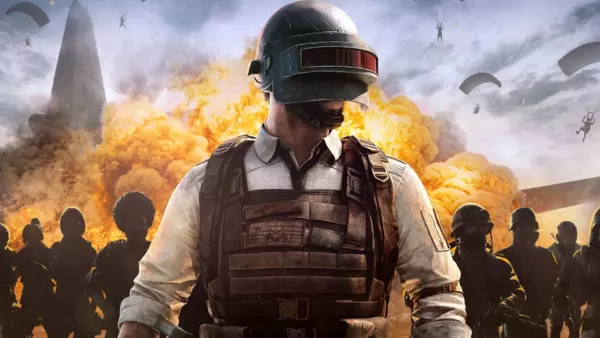
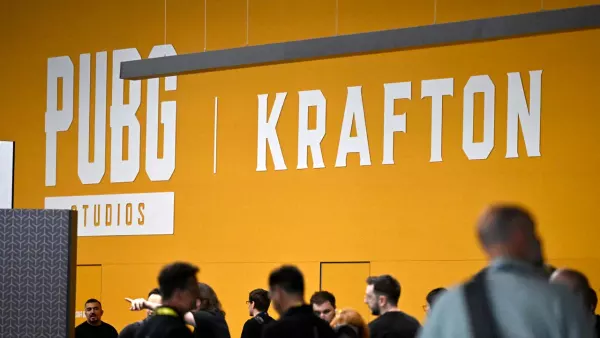
Krafton, the Korean publisher of popular games such as PUBG and Subnautica, has recently unveiled its ambitious plan to become an AI-First company. This decision is part of Krafton’s new strategy to enter the age of artificial intelligence and redefine the company’s internal, managerial, and creative processes. This major move could transform the future of this company and the gaming industry. According to Korean media reports, Kim Chang-han, CEO of Krafton, announced in an official statement that the company plans to create a massive infrastructure based on Agentic AI with an initial investment of $70 million (100 billion Korean Won); a technology that is set to become the core of the company’s operations. According to Kim, the goal of implementing this plan is to automate daily and repetitive processes within the organization and to focus human resources on creativity and solving complex challenges.
Krafton, the Korean publisher
Kim Chang-han emphasized: “With the AI-First strategy, Krafton will restructure work activities around artificial intelligence so that team members can dedicate their energy to creativity and innovation, while repetitive and processing tasks are entrusted to AI.” This major change will encompass not only technical and game development teams but also all departments of the organization, from management to internal communications. Of course, in the first phase, Krafton will provide the necessary infrastructure for the development of Agentic AI systems by creating a massive GPU processing cluster.
This infrastructure is expected to have the ability to perform “multi-step tasks with complex reasoning and iterative planning” and will be the foundation of the company’s digital transformation in the coming years. Starting from approximately 2026, Krafton will spend an additional $21 million each year on training and supporting employees in using AI tools. However, the implementation phase of this project will begin this current year. With these interpretations, it seems that Krafton is trying to redefine not only the production process but also the nature of decision-making, game design, and the creativity of its teams based on artificial intelligence. If this strategy is successful, it could serve as a new model for other major publishers in the gaming industry who are looking to find a balance between innovation, human creativity, and automation.
About the Author