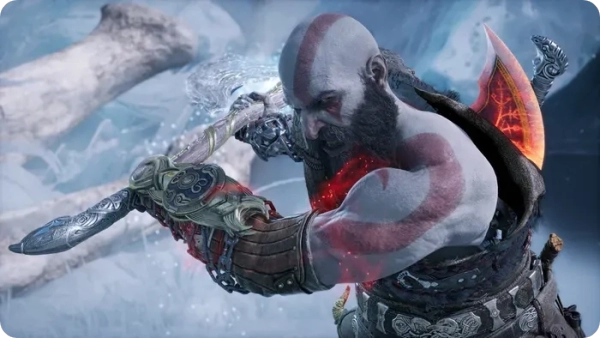
Story of God of War Ragnarok
Table of Contents
- Introduction to the Story
- Atreus and Kratos’ Journey
- Loki and the Prophecies
- The Final Battle: Ragnarok
- Main Themes of the Story
- Key Characters of the Story
- System Requirements
- Summary
Foreword
God of War: Ragnarok is one of the most prominent action-adventure titles developed by Santa Monica Studio and published by Sony Interactive Entertainment. This game is a sequel to the 2018 version, narrating the story of Kratos and his son Atreus in the world of Norse mythology. Below, we will delve into the story of God of War: Ragnarok and its key elements.
Introduction to the Story
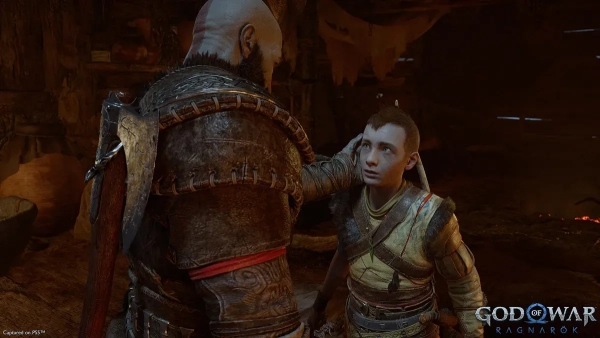
The story of Ragnarok begins some time after the events of the previous game. Atreus is now older and wiser, striving to discover his true identity as Loki. Kratos, still fleeing from his bloody past in Greece, tries to keep Atreus safe from dangers. However, the onset of Fimbulwinter (a three-year winter that precedes Ragnarok) indicates that fate has already planned for them. This prelude transforms the game world into an icy and dark environment, adding to the drama of the story. Players are immediately confronted with a sense of impending threat and destruction, which effectively sets the stage for future events.
Atreus and Kratos’ Journey
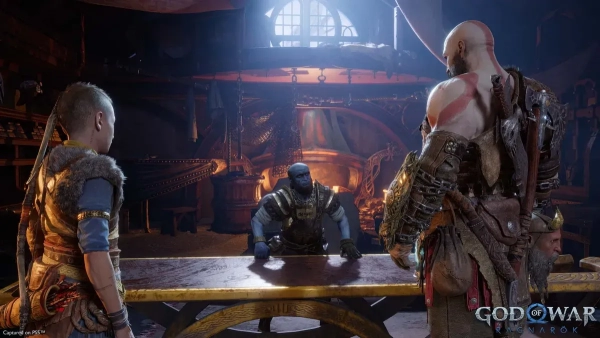
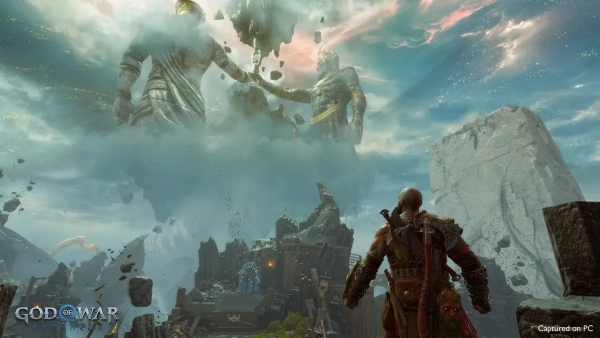
The story begins with Thor’s attack on Kratos and Atreus’ home. Thor, seeking revenge for the death of his sons (Magni and Modi), challenges Kratos to an epic duel. This battle is not only one of the game’s highlights but also reveals the tension between the Norse gods and the main protagonists. Atreus, seeking answers about his role in mythological prophecies, convinces Kratos to embark on a journey to various realms. The two travel to realms such as Asgard, Vanaheim, Svartalfheim, and Muspelheim to find clues about their destiny. This journey is an opportunity for players to encounter beautiful environments, diverse enemies, and new challenges. In each realm, hidden secrets, when discovered, provide more information about the story and the prophecies of Ragnarok.
Loki and the Prophecies
One of the key points of the story is the discovery of Atreus’ identity as Loki. In the previous game, it was revealed that Atreus is known as Loki in Norse mythology. This sparks Atreus’ curiosity about his destiny and his connection to Ragnarok. Throughout the story, he meets key characters such as Angrboda, one of the last Giants. Angrboda gives Atreus important information about his place in the prophecies and his connection to the Giants. Meanwhile, Atreus must grapple with the conflict between loyalty to his father and the quest to discover his own identity. This internal conflict is one of the emotional aspects of the story that allows players to connect more deeply with his character. Also, Odin’s cunning role in this adds more complexity to the story, as he uses every means to control and dominate others.
Atreus also encounters other characters such as Odin (the king of the Norse gods) and Freya. Odin, with his characteristic cunning, tries to draw Atreus to his side and separate him from Kratos. Freya, who initially seeks revenge for Baldur’s death from Kratos, eventually becomes one of his allies. This change in Freya’s character demonstrates the complexity of the story and the importance of forgiveness and cooperation in the face of greater threats.
The Final Battle: Ragnarok
Ragnarok, meaning the destruction of the gods, is the climax of the game’s story. Kratos and Atreus, along with their allies, including Tyr (the Norse god of war), Sindri, and Brok (the two beloved dwarves), seek a way to prevent Ragnarok from occurring. As the war between the gods and giants intensifies, Kratos and Atreus face numerous challenges. They must not only confront Odin’s and Thor’s forces but also deal with their personal issues and complex relationships. In this section, the game offers players an unforgettable experience by combining exciting gameplay and stunning cinematic scenes. The moment Kratos and Atreus decide how to face their destiny is one of the most emotional and impactful scenes in the game. This moment demonstrates the characters’ maturity and the importance of choice when confronting prophecies.
Main Themes of the Story
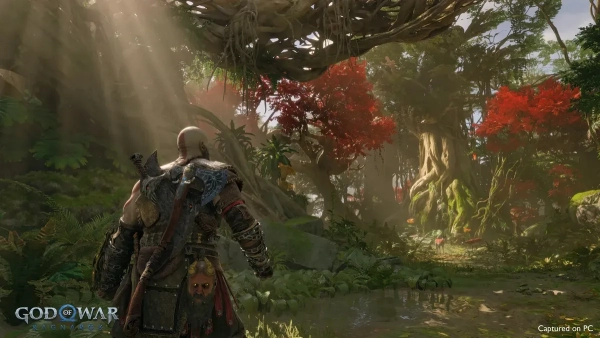
God of War: Ragnarok delves into deep themes such as family, destiny, and moral choices.One of the important aspects of the story is the complex relationship between Kratos and Atreus. Kratos, formerly known as the Greek God of War, tries to learn from his mistakes and turn Atreus into a better person. On the other hand, Atreus seeks to find his own identity and forge an independent path. Also, the game clearly shows how fate can be flexible. While prophecies play a large role in the story, Kratos and Atreus repeatedly demonstrate that they can change the future through their choices. The theme of fate and freedom from it is one of the key messages of the game. The game reminds players that even when faced with great obstacles, a new path can be created through effort and conscious decision-making.
Key Characters
Kratos: The main character of the story who helps advance the plot with his strength and wisdom. He tries to atone for his bloody past and help Atreus choose the right path.
Atreus (Loki): The second character in the game, central to the prophecies of Ragnarok. He plays an important role in advancing the story with his intelligence and curiosity.
Odin: The main antagonist of the game, who seeks power and control over everything through his cunning.
Thor: The God of Thunder, known as Kratos’s main enemy. Thor is a complex character with personal motivations that make him more than just a simple foe.
Freya: Initially an enemy of Kratos, but becomes a valuable ally throughout the story.
Angrboda: One of the last giants who provides valuable information about Atreus’s past and destiny.
Gameplay and Story Connection
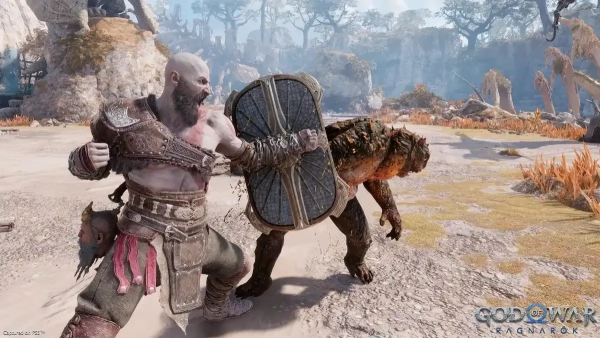
The story of Ragnarok is well-integrated with the game’s gameplay. Players are directly immersed in the story by solving puzzles, engaging in epic battles, and exploring the beautiful Norse environments. Each realm has a unique design and provides players with more information about mythology and prophecies. This harmony between narrative and gameplay makes players feel like they are part of this epic world. Key decisions made by the player throughout the game directly impact the story’s progression, creating an interactive and unique experience.
Minimum System Requirements
| OS | Windows 10 (64-bit) |
| Processor | Intel i5-2500k or AMD Ryzen 3 1200 |
| RAM | 8 GB |
| Graphics Card | NVIDIA GTX 960 (4GB) or AMD R9 290X (4GB) |
| Storage | 70 GB free space |
Recommended System
| OS | Windows 10 or 11 (64-bit) |
| Processor | Intel i7-8700K or AMD Ryzen 7 2700X |
| RAM | 16 GB |
| Graphics Card | NVIDIA RTX 2070 (8GB) or AMD RX 5700XT (8GB) |
| Storage | 70 GB SSD space |
Summary
God of War: Ragnarok is not only a game with superb gameplay but also offers a deep and emotional story that explores concepts such as love, sacrifice, and the complexities of human relationships. With its strong character development, impactful dialogues, and multi-layered narrative, this game creates an unforgettable experience for players. Although fate seems unchangeable in Norse mythology, Kratos and Atreus show that even against prophecies, one can stand firm. For fans of action and story-driven games, God of War: Ragnarok is an unparalleled choice that invites you into a world full of adventure, emotions, and difficult choices.
About the Author